
Question:
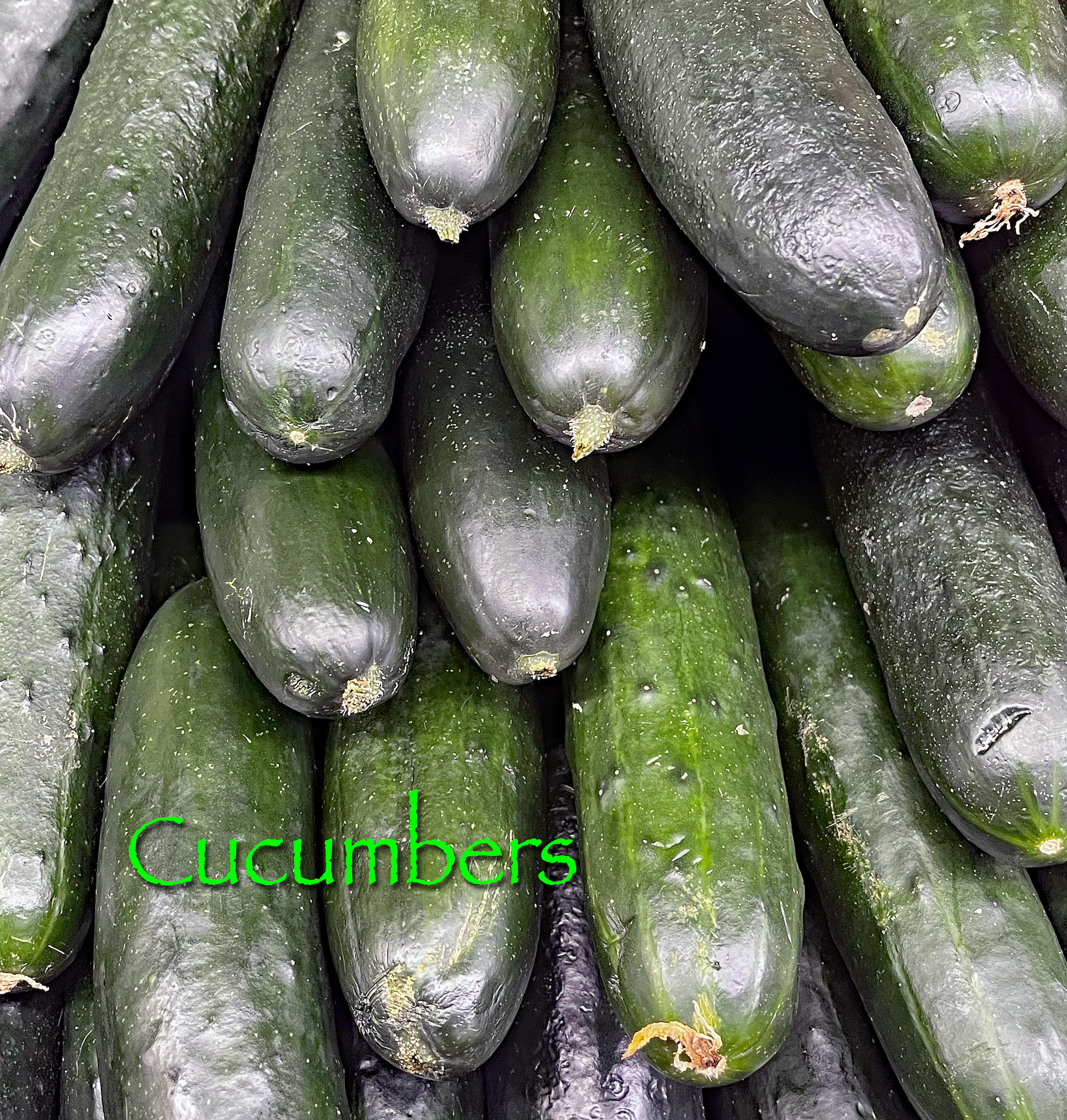
Last year, we planted cucumbers and were disappointed. They had a bitter, odd taste. A neighbor suggested that the squash growing near them was pollinating them. Will moving the squash to a different location solve this problem?Answer:
- The notion of relocating squash plants or not even planting them is not the answer to the bitter/odd taste problem.
- This solution is also flawed. Cucumbers can't cross with any other cucurbits, such as squash, melons, or pumpkins. If this were the case, you would not see any flavor change until the following year, when you planted the saved seeds. This is basic genetics. The bitterness in cucumbers and sometimes squash varieties is due to a naturally occurring compound called cucurbitin. All cucumber plants contain varying amounts of this compound triggered by environmental stress. Environmental stress comes from high temperatures, heavy soil that is too wet, dry, and drains poorly, low fertility, insects, and foliage diseases.
- Many times, it is a combination of these factors. However, I believe the primary suspect in the Bay Area is uneven or irregular watering. This is mainly a problem when the growing season begins with below-normal temperatures in April and May, coupled with rapid changes in temperatures from mild to hot during the summer months.
- Bay Area gardeners tend to water with the same frequency regardless of the temperature. Yes, we water more when it's hot, but never less when the temperatures go below average.
- The other factor is the soil preparation. Overall, it's pretty minimal for our adobe, clay soil. These two factors are the primary reasons we have bitter cucumbers. Overly mature or improperly stored cucumbers may also develop a mild bitterness; however, it's often not severe.
Question:
What kitchen scraps should go into a compost pile? My mom says only uncooked fruit and vegetable scraps, while I think anything is fair game, including chicken soup.Answer:
- Most kitchen wastes are fair game for a compost pile. So cooked and uncooked fruits and vegetables, and yes, even chicken soup, which is the solid portion, not the liquid, along with coffee grounds and filter, could be added.
- The items permanently excluded are animal feces from meat-eating animals, grease, other fats, and meats. Some kitchen wastes are better disposed of with a disposal unit. I'd use the active(hot/heat) or passive (cold) composting technique with garden trimmings, lawn clippings, and solid kitchen waste.
- If you're composting with worms, only use wet and dry kitchen waste. Finally, to avoid a mess, let common sense rule when deciding which kitchen waste to use.