
Question:
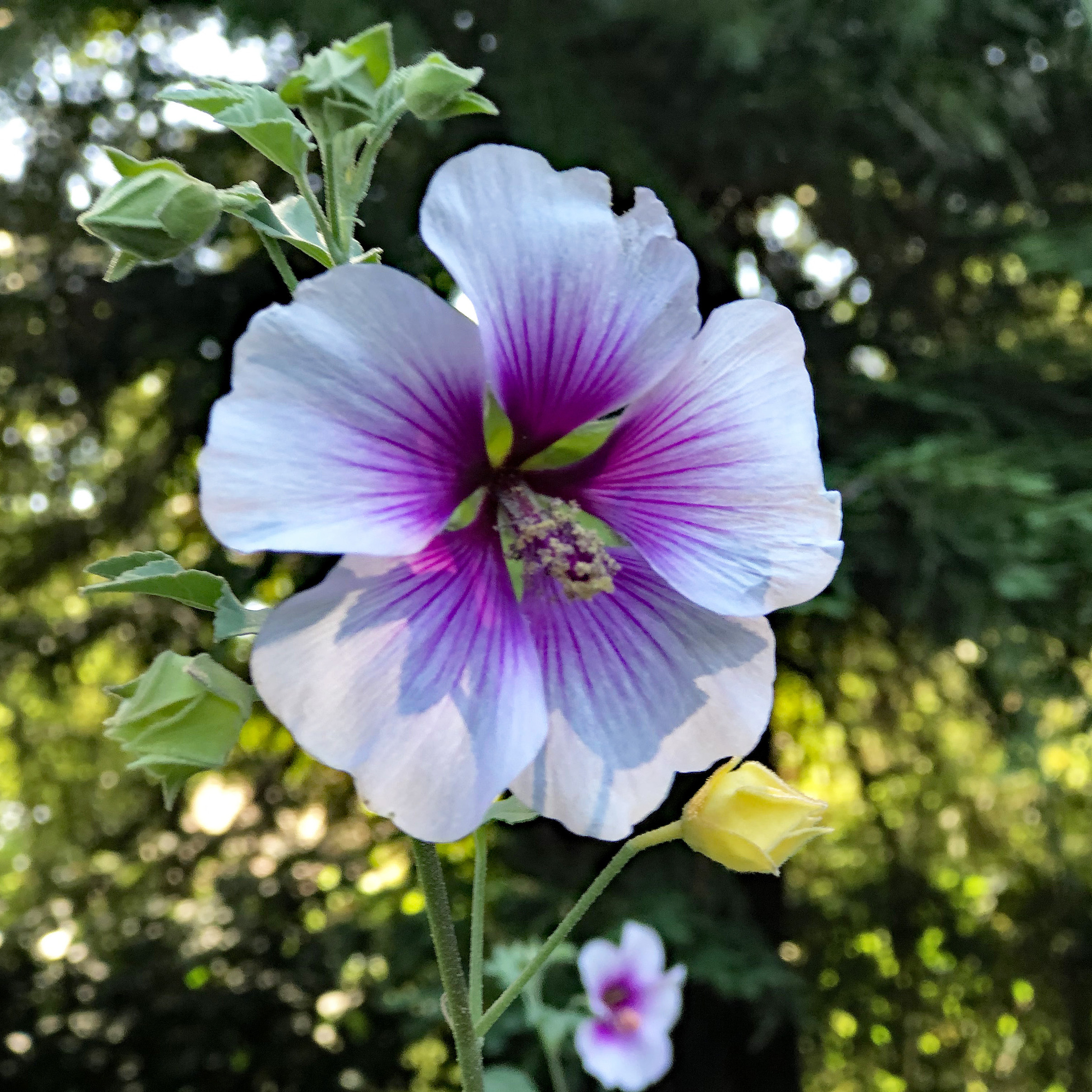
I’m noticing a dark, round parasite on the undersides of my Rose of Sharon leaves. It’s just beginning to bloom with lovely blue flowers, so I’m hesitant to cut it down, but the leaves are quite unpleasant. What steps can I take to help the plant recover?Answer:
- The dark brown bumps on the underside of your leaves are not insects or parasites; they are a fungus known as Rust. Rust can affect a wide variety of plants.
- On roses and turf, it typically appears as bright orange. You will often observe the dark reddish-brown variety on Snapdragons and Hollyhocks, but it can also infect Rose of Sharon, Flowering Maples, and Mallows.
- Rust is an airborne disease that manifests only when the appropriate conditions are met. The fungi primarily spread by wind, but insects, rain, and animals can also contribute to their dissemination.
- During periods of spore dispersal, they undergo a state of dormancy. To initiate growth, plants require a moderate amount of moisture on their leaves at night.
- Watering plants late in the afternoon poses challenges, particularly if the foliage remains damp after sunset. Rust typically manifests after the fact.
- Under optimal conditions of moisture and warmth, spores generally germinate within a few hours. While fungicides may be considered, I would advise against their use at this time. The rainy season has concluded, so the dry conditions should prevent new infections.
- I would carefully remove the most severely affected leaves and apply all-purpose plant food to help them recover and correct any cultural practices.
- Additionally, remove any fallen leaves or debris from the base of the plant.
- Adopting good sanitation practices minimizes the potential source of new infections.
Question:
I’ve been told that I planted my Bok Choy seeds a little too late this year. They are just over an inch tall right now. Will I have any luck with them, or should I replant in the fall?Answer:
- I would not abandon them just yet, as you have another to lose.
- Bok choy is a cool-season, short-day oriental vegetable. With mild conditions along the coast, you should be able to manage; however, with warm temperatures inland, they will go to seed or “bolt.”
- Plant bolting is when a plant puts all its energy into growing a flower stalk instead of leaves or roots, which is how it makes seeds. This usually happens in vegetables and herbs like lettuce, spinach, cilantro, basil, and onions, and it can make the plant taste bitter or turn woody. This also occurs at the end of their normal life cycle.
- Once bolting starts, cutting off the stalk usually does not reverse it.