
Question:
Is it too late to divide and transplant my Daylilies? If so, how far back should I trim them? Isn’t the green, healthy foliage typically cut back after blooming ends?Answer:
- No, it is not too late to divide or transplant Daylilies.
- Although the growing season nears, it's close to the end of Daylight Saving Time. You can keep planting until conditions become too muddy. You can also delay dividing them until late February or April.
- Planting in containers can occur at any time.
- The primary benefit of dividing and replanting in the fall is that the plants will bloom next year.
- Dividing them next year means they won't bloom until the following year, which is why we recommend dividing Daylilies and other perennials in the fall.
- Daylilies are evergreen perennials, meaning their foliage remains year-round. Once they stop blooming, remove the flowering stalks.
- You may trim the foliage in the fall or wait until next spring. I prefer waiting so the landscape doesn't look bare through winter.
- The green leaves stay more attractive all winter than the short stubble left after cutting them down.
- They may appear worn after a winter storm and freezing temperatures, but I can accept that.
- The plants are unaffected either way. Dividing and transplanting an established daylily clump is relatively simple.
- With a round-nose shovel, cut the lateral roots around the clump, then lift it gently from the soil. You can split the clumps into halves or quarters based on size, using a shovel, pruning saw, or axe.
- Before replanting, clear loose debris and trim the foliage to ground level to make the plant easier to handle.
- Dig a hole two to three times wider than the largest clump, blending native soil with homemade compost, soil conditioner, or organic matter at a 50-50 ratio. Then, place a handful of starter fertilizer at the base.
- Your newly divided Daylilies will offer extra blooms for years, as you likely won’t need to divide them again for four or five years.
Question:
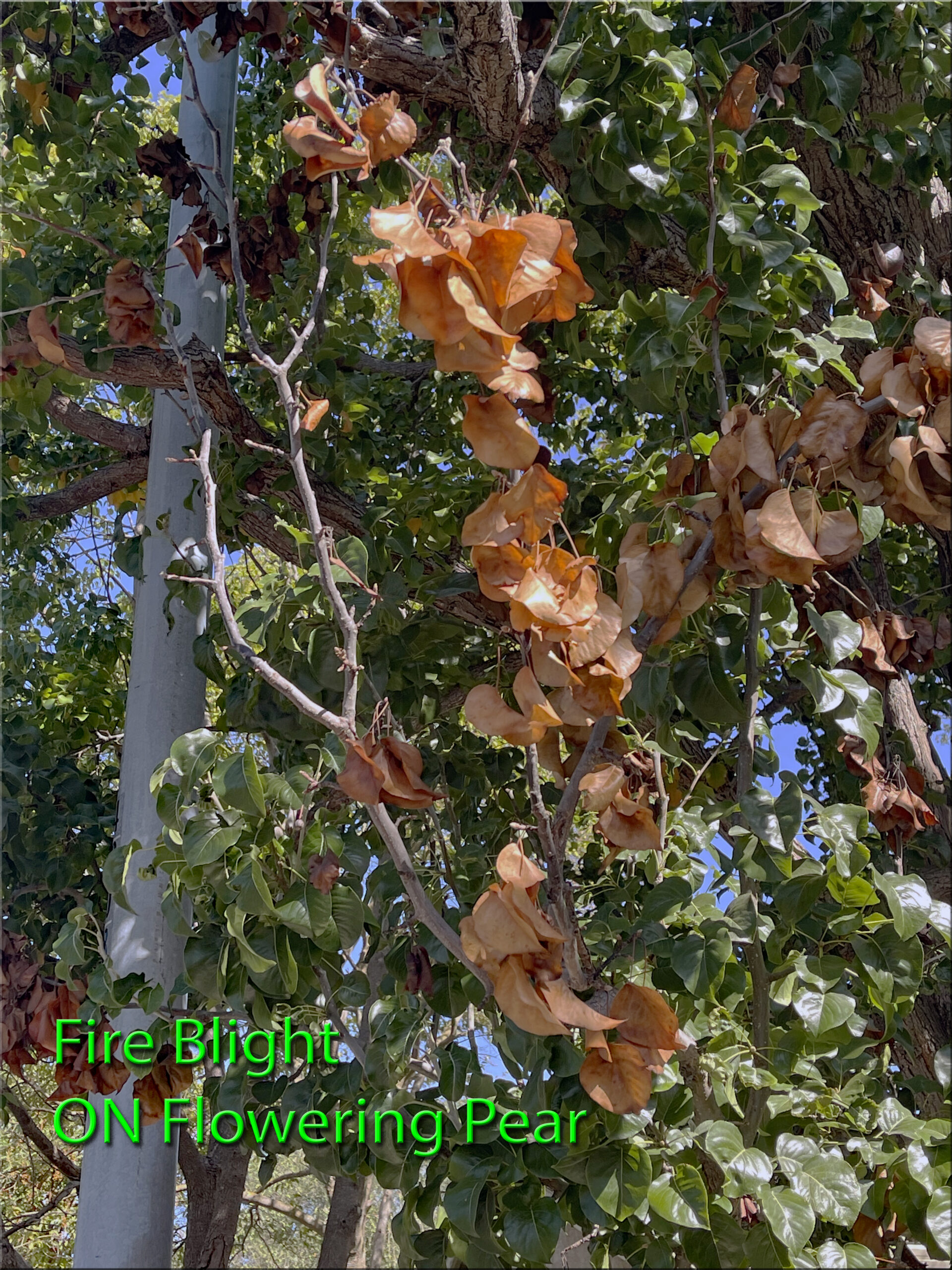
We're fortunate to have three fruiting Asian Pears. In 2024 and 2025, we cut off the dead branches. This year, to our disappointment, all our Asian Pears showed signs of dying branches. How do we get our trees healthy again?Answer:
- The dieback in Asian Pears is known as Fireblight, a bacterial condition that enters through blossoms and moves downward.
- Prune the deadwood about a foot below where it turns brown. Disinfect your tools with Lysol or rubbing alcohol after each cut to avoid spreading the infection.
- A spray exists to manage Fireblight, but it is impractical for a homeowner to apply; therefore, pruning afterward is the remedy.
- Fireblight also affects Pears, Flowering Pears, and certain ornamentals such as Photinia within the Rosaceae family. Fortunately, Roses are not affected. This kind of damage is fairly common today.