
Question:
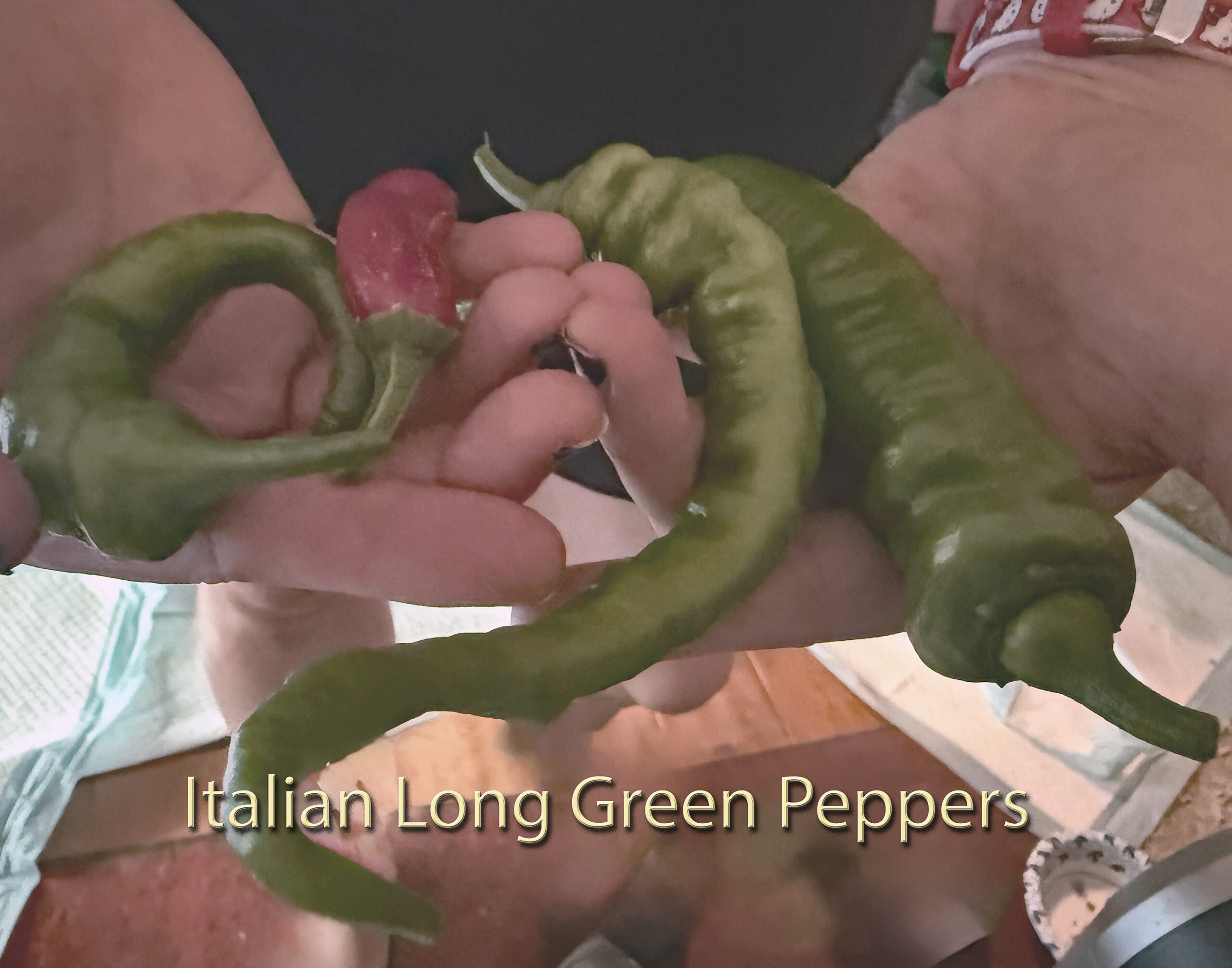
I have an Italian Long Pepper plant in a half oak barrel that keeps dropping its blossoms. They reach the flowering stage, then shrivel up and fall off. I water it every other day or daily, depending on the temperature. It’s fertilized monthly. The plant receives about 5 hours of sunlight daily. Apart from the blossom problem, the plant appears healthy. What else can I do to stop this?Answer:
- Peppers and tomatoes fail to set fruit for several reasons.
- First, nighttime temperatures below 55 degrees or daytime temperatures above 90 degrees can harm fruit set.
- Second, dry spells between waterings can also hinder fruit set.
- Third, insufficient sunlight, with less than six hours of direct sunlight per day.
- Lastly, excessive nitrogen can promote excessive vegetative growth at the expense of blossoms and fruit. For your plants, the issue might be the amount of sunlight they're receiving. Five hours is on the borderline.
- So, the question is: when? Morning sun to early afternoon can be problematic, while afternoon sun to sunset is ideal. Moving your plant would solve the problem.
- Also, the fertilizer you're using may be contributing to this problem. You should fertilize vegetables in containers more often than in the ground. When you water, nutrients in the root zone leach out. So, check the fertilizer analysis on the product you're using. It should be around ten or below.
- You’ll find the fertilizer analysis on the packaging. All plant foods must include it. The first number in the analysis is always Nitrogen, followed by Phosphorus and Potassium. These are the primary nutrients plants need for growth. If the Nitrogen level is too high, stop fertilizing.
- Watering should leach out the excess. This will allow you to harvest a small crop late in the fall.
Question:
What can I use to kill the worms on my Geraniums and Petunias?Answer:
- The worm on Petunias and Geraniums is known as “Budworm".
- Budworms are moth caterpillars that chew their way into the tightly coiled flower buds and slowly eat them from the inside out. Bacillus thuringiensis, also known as Bt, is applied to control Budworms.
- It infects specific insects and worms, causing them to develop a fatal stomach flu.
- Discovered in 1911 in diseased Mediterranean flour moths in Thuringia, Germany, Bt. has since been identified in 35 different varieties.
- Each variety targets specific groups of host insects through a toxic protein crystal called endotoxin found in its spores.
- Notably, Bt. is harmless to humans and animals, so it’s regularly recommended as an organic pest control.
- Budworm season runs from June through September, with two generations per year typical. So, I make one application of Bt to control the problem. This should kill the still-active budworms.
- Next year, the first signs of Budworms are typically holes in the flowers, followed by the discovery of worms or black specks on the ground. I also recommend inspecting the plants starting in mid-June. Once you identify the problem, apply Bt.