
Question:
I need some help with rooting cuttings from a special rose. In the past, I have waited as long as six weeks without success, which has been quite frustrating. I usually have good luck propagating plants, but roses are especially challenging for me. How can I tell when the cuttings have rooted?Answer:
- Rooting roses can be quite challenging for gardeners. Among the various types, miniature roses are the quickest and easiest to root. In contrast, Hybrid Teas, Grandifloras, and other varieties require significantly more patience.
- While six weeks might seem enough, eight weeks is generally more realistic for these cuttings. Many cuttings have been lost because eager gardeners check for roots too soon.
- It's important to remember that new growth does not necessarily mean the cutting has developed roots. This new growth can eventually collapse if the cutting hasn't formed roots, leading to dehydration and causing it to shrivel and turn black.
- When rooting rose cuttings, I suggest using a four-inch or six-inch pot filled with pre-moistened potting soil. Although there are alternative rooting media like perlite, sand, or vermiculite, I prefer commercial potting soil for this task.
- First, select several cuttings from new growth—more than you think you'll need—so you can pick the most vigorous ones later for transplanting.
- Next, make a mini greenhouse by covering the pot of cuttings with a plastic bag supported by a few short bamboo stakes.
- Secure the bag with a rubber band or string; this will trap moisture and eliminate the need for extra watering. Place the cuttings outdoors in a warm spot with minimal direct sunlight.
- This setup will keep heat and moisture in, both of which are key for rooting rose cuttings.
- To determine when the cuttings have rooted, I use the resistance test. Initially, the cuttings slide easily in and out of the potting soil. Once they have developed roots, you will feel resistance when gently pulling on them.
- Alternatively, you can root the cuttings in a clear container, such as a plastic cup.
- If you're rooting rose cuttings indoors, I recommend placing the containers on a heating mat. These mats are affordable and available at many independent garden centers or online from Hydro Farms.
- For more information, you can search for Hydro Farms on Google.
Question:
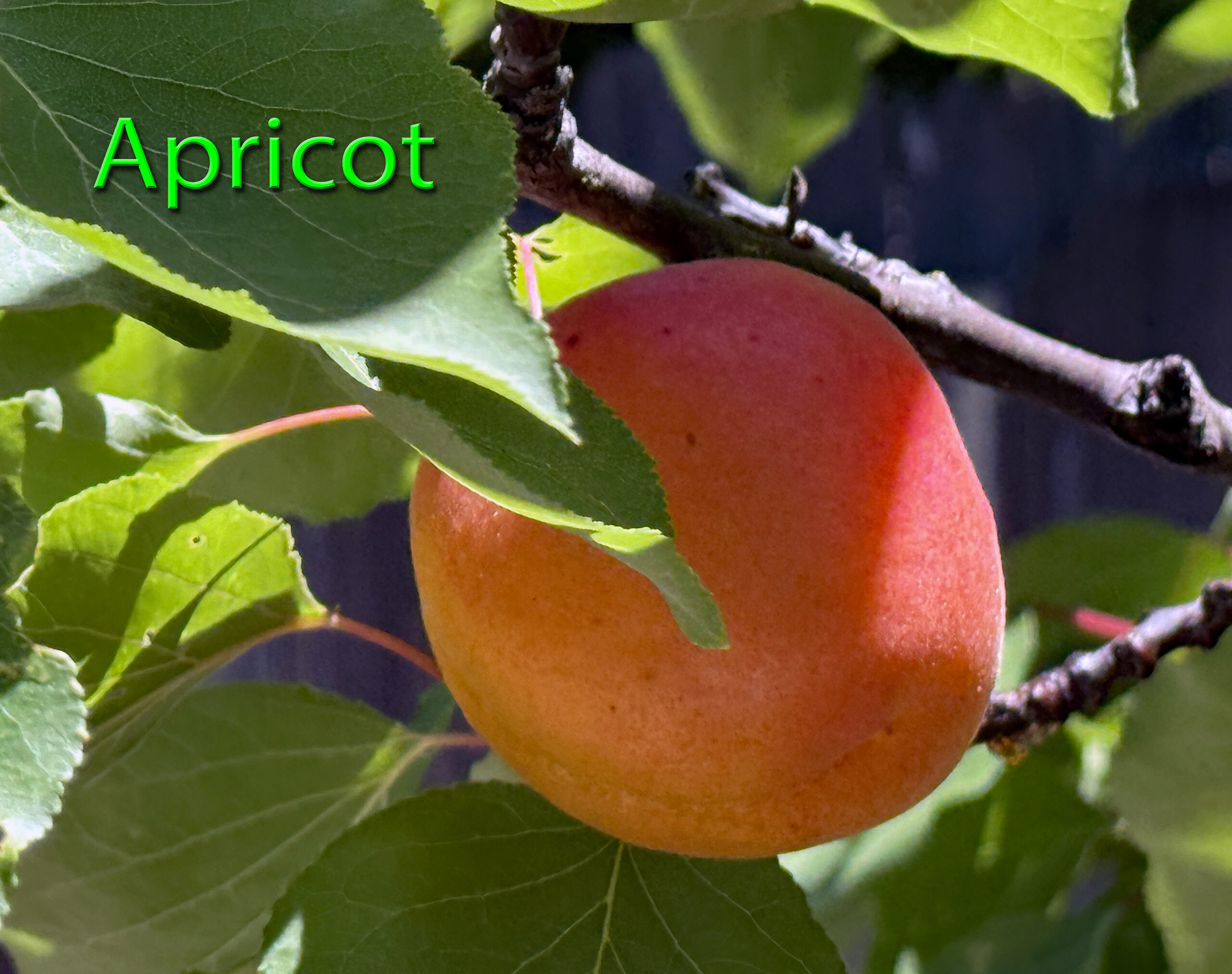
My twenty-year-old apricot tree has stopped bearing fruit. In spring, the tree is full of flowers, but they fall off within a few days. The tree looks very healthy. Should I use a specific type of fertilizer to help it produce flowers that can be pollinated?Answer:
- Fertilizing does not influence pollination.
- Honeybees are the main pollinators of apricots and many other fruit trees. However, honeybees become inactive during cold, wet weather, which can result in poor fruit set.
- This is not the only cause of a lack of fruit, though. Blossom Blight, commonly called Brown Rot, presents another challenge in damp conditions. This fungal disease causes flowers to decay before they can be pollinated.
- Apricots bloom early in spring, making their blossoms especially vulnerable to late frosts. Even a brief cold spell can kill the flowers or young fruit, preventing fruit set.
- Server pruning would remove the fruiting spurs.
- You may have experienced this problem in previous years when the yield was low. However, this is not the issue with your tree at present.
- There is another pollination problem to consider. While most apricot varieties are self-pollinating, some need a compatible variety nearby to ensure successful pollination and fruit production.
- However, with your tree, the necessary pollinating variety has either died or been removed; thus, the sudden lack of fruit.