
Question:
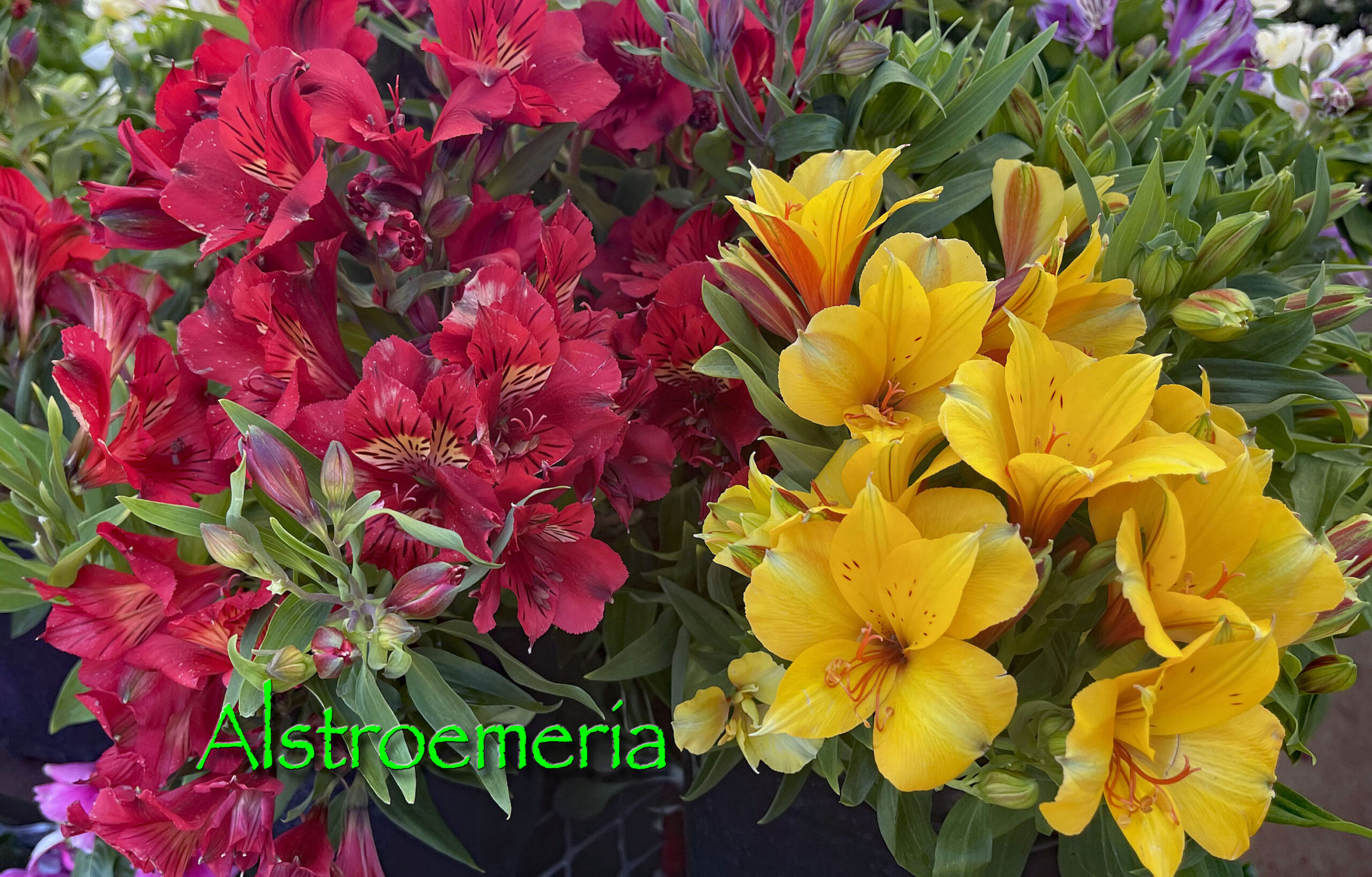
When is the best time to divide my four Alstroemeria plants?Answer:
- Alstroemeria, commonly known as the Peruvian lily or Lily of the Incas, is native to the Andes and produces vibrant flowers. The optimal time to divide Alstroemeria is in spring, when new growth is emerging, and temperatures are mild. This year’s window is closing soon. Late fall is another opportunity to divide Alstroemeria.
- Because the clumps consist of many tubers or rhizomes, remove them gently from the ground. If broken, they may not survive transplanting. You’ll notice thick, fleshy underground stems with fibrous roots and growing points.
- Now, gently slice the rhizome into manageable pieces using a sharp knife or scissors. Aim to make clean cuts through the thickest part of the connecting rhizome, so each section still has enough root to start growing.
- To keep your rhizomes healthy, try not to tear or crush them. Damaged parts can easily rot and become infected.
- Let the cut ends dry for a few minutes before planting to reduce the risk of bacterial or fungal infections.
- It’s a good idea to have their home ready before you start dividing.
- To give your Alstroemerias the best start, make sure the holes are about twice as wide as the tubers and deep enough to comfortably hold them. Adding compost or other organic matter to the native soil can really help with drainage.
- For containers, you’ll want to use commercial potting soil. Remember to plant the tubers at the same depth as they were in the original clump—if you plant them too deep, they can rot.
- Alstroemerias are usually divided every three years or so because they recover slowly after being moved. If you notice fewer flowers or a complete stoppage, it’s a good time to divide them.
Question:
For the past three years, our vegetable garden has been overrun with tiny worms, and they’ve taken a significant toll on our carrot crop. Would fumigating the soil be an effective way to get rid of them, and if so, what type of fumigation would work best?Answer:
- When it comes to underground vegetables, such as carrots, wireworms and cutworms are often the primary culprits.
- Cutworms typically feed on seedlings after sunset, consuming them close to the soil surface. In contrast, wireworms primarily feed on the underground parts of the plants.
- While there are several methods to address this issue, soil fumigation is not one of them. Soil fumigants are highly hazardous and are not permitted for use in a home garden.
- Instead, I recommend utilizing Beneficial Nematodes. These microscopic insect predators are adept at hunting soil insects such as worms, grubs, and larvae.
- Upon detecting suitable prey, they burrow into the soil and release bacteria that cause the host's demise within 24 hours. Subsequently, the Nematodes consume the insect’s body, reproduce, and seek out additional hosts.
- Beneficial Nematodes pose no risk to humans, pets, birds, bees, or earthworms. To apply them, mix Beneficial Nematodes with water, then spray with a tank sprayer, a sprinkler can, or a hose-end applicator.
- It is advisable to apply them during the early morning or evening when the sun’s intensity is not excessive. They will continue to function until there is no longer any available food source.
- Most garden centers stock Beneficial Nematodes, or you can purchase them online.