
Question:
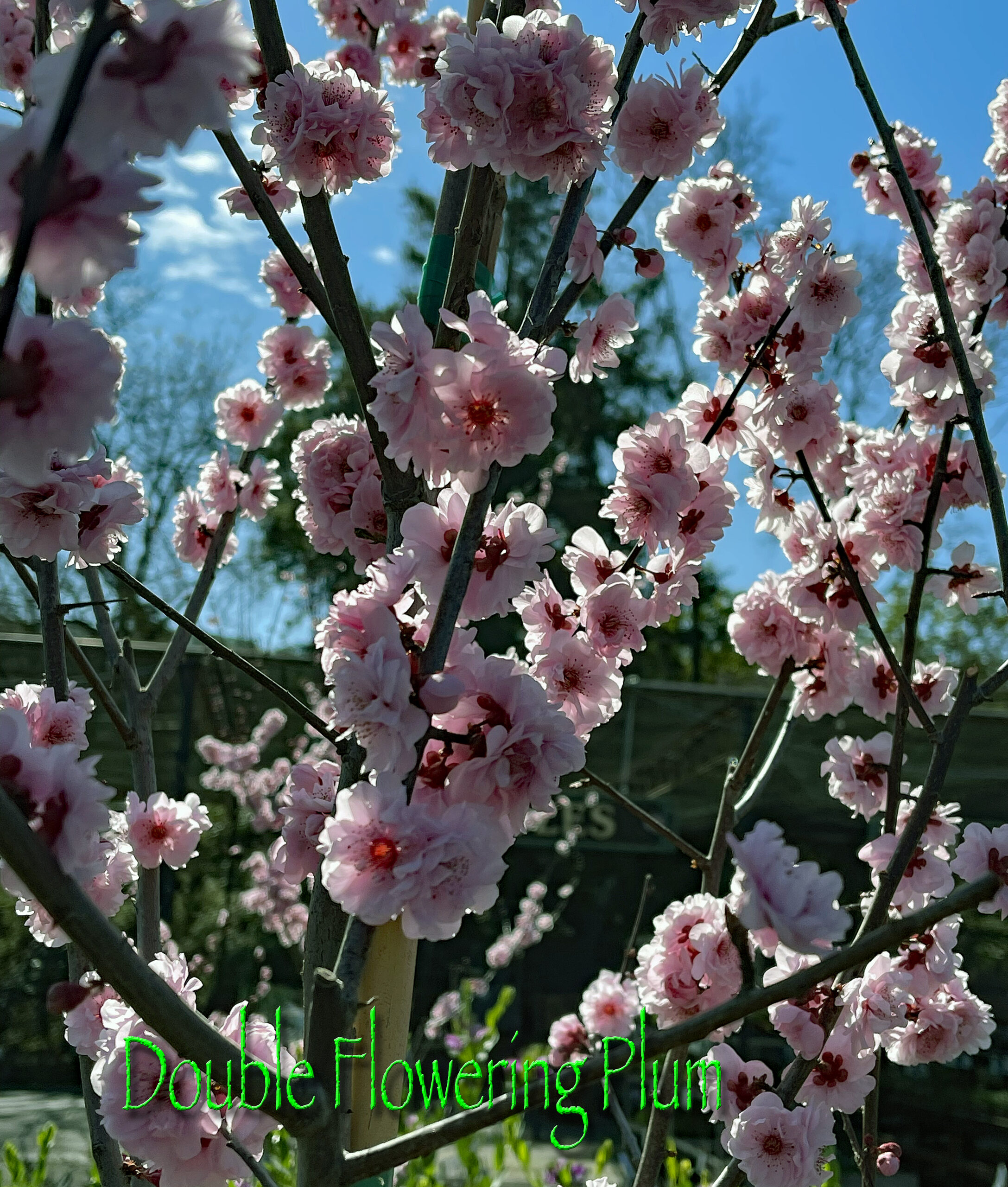
I have a pink-flowering Prunus Blireiana plum. It has produced a small forest of suckers, growing up to twenty feet away from the main trunk in my peonies, roses, and iris beds. Could this be the result of gophers? What is the best way to remove these suckers without harming the tree or the other plants?Answer:
- I would not associate excessive tree suckering with a gopher problem.
- Gopher damage would cause the tree to suffer in other ways.
- Gophers tend to severely gnaw on the roots, damaging them and causing dieback in the tree’s canopy.
- There is a direct correlation between the roots and the extent of growth they support. Given that the plum tree itself is not exhibiting any signs of damage,
- I would eliminate the possibility of gophers as the cause.
- However, it is not entirely impossible. Fruiting and non-fruiting plums naturally sucker from their roots. This also occurs on many other plants. It is challenging to control this issue due to its inherent nature.
- Chemical controls pose difficulties because they require selective application to avoid harming surrounding desirable plants and the primary tree. There’s a product called Sucker Stopper, a growth regulator that stops the growth if applied at the point of origin.
- However, this approach is challenging with underground roots, and it won’t prevent other suckers from developing elsewhere. The only alternative is to prune off the suckers as they emerge. This task is never-ending.
- Another option is to consult an arborist who can assess the possibility of removing some of the lateral plum roots. It’s crucial to avoid disturbing the supporting roots that provide stability to the tree.
Question:
I’ve got a fig tree that’s been doing well, but most of the figs are small, hard, and don’t ripen before they fall off. What’s going on here?Answer:
- Without additional information, water stress is the most likely cause of the dry, unsized figs.
- Fig trees have shallow roots, and dry fruit is a common occurrence when the tree does not receive consistent moisture during fruiting.
- Moisture should be distributed beneath the canopy rather than at the trunk. To conserve moisture, apply a two to three-layer mulch beneath the canopy.
- This practice also enables you to water less frequently during cooler temperatures.
- Nutrient imbalance, particularly an excess of potassium or a deficiency of nitrogen, can adversely affect plant growth.
- Potassium is the third element listed in a fertilizer analysis; nitrogen is first, and phosphorus is second.
- This is also known as N-P-K. I would apply an organic fruit and shade tree fertilizer annually or twice a year.
- Apply it once in late winter and again in May. Patience is required, as these corrective measures will not become apparent until next year.