
Question:
I started a compost pile using food scraps and yard clippings, including the curly-leaf peach leaves. I then used the compost in my vegetable garden. My peppers and beans developed curly leaves. So, is my soil contaminated?Answer:
- As a general rule, we don't compost diseased plant parts. The internal temperature of a home compost pile doesn't get hot enough to destroy disease organisms or weed seeds.
- Diseased plant trimmings can be disposed of in your garden trimming container, which is picked up weekly along with the other household solid waste and recyclables.
- The good news is that the leaves with Peach Leaf Curl haven't contaminated the compost or vegetable garden soil. Peach Leaf Curl is a water-activated fungus that attacks only Peach and Nectarine trees. It will not affect any other species. Also, the fungus spores overwinter above ground, not in the soil.
- Curly leaves on plants can be caused by many different things, such as insects, herbicide damage, temperature changes, and fungus diseases.
- Aphids are the primary cause of leaf curl in apple, cherry, and plum trees, along with roses and many other ornamentals. Aphids are sucking insects, and you'll find them on the new growth. They cause the leaves of some fruit trees to curl up like an Italian cookie.
- The herbicides in Weed and Feed turf products cause some shade trees to curl when planted in and near a lawn. The leaf curl is a reaction to the chemicals absorbed by the roots.
- Citrus leaves curl up from cool temperatures in the winter months. So, again, there are many reasons for leaf curl..
- I'd take a few samples of the curly leaves on the peppers and beans to your local garden center and have a nursery professional help identify the problem(s).
- My guess would be you have some sucking insect problem. They are easily controlled with Insecticidal Soap.
Question:
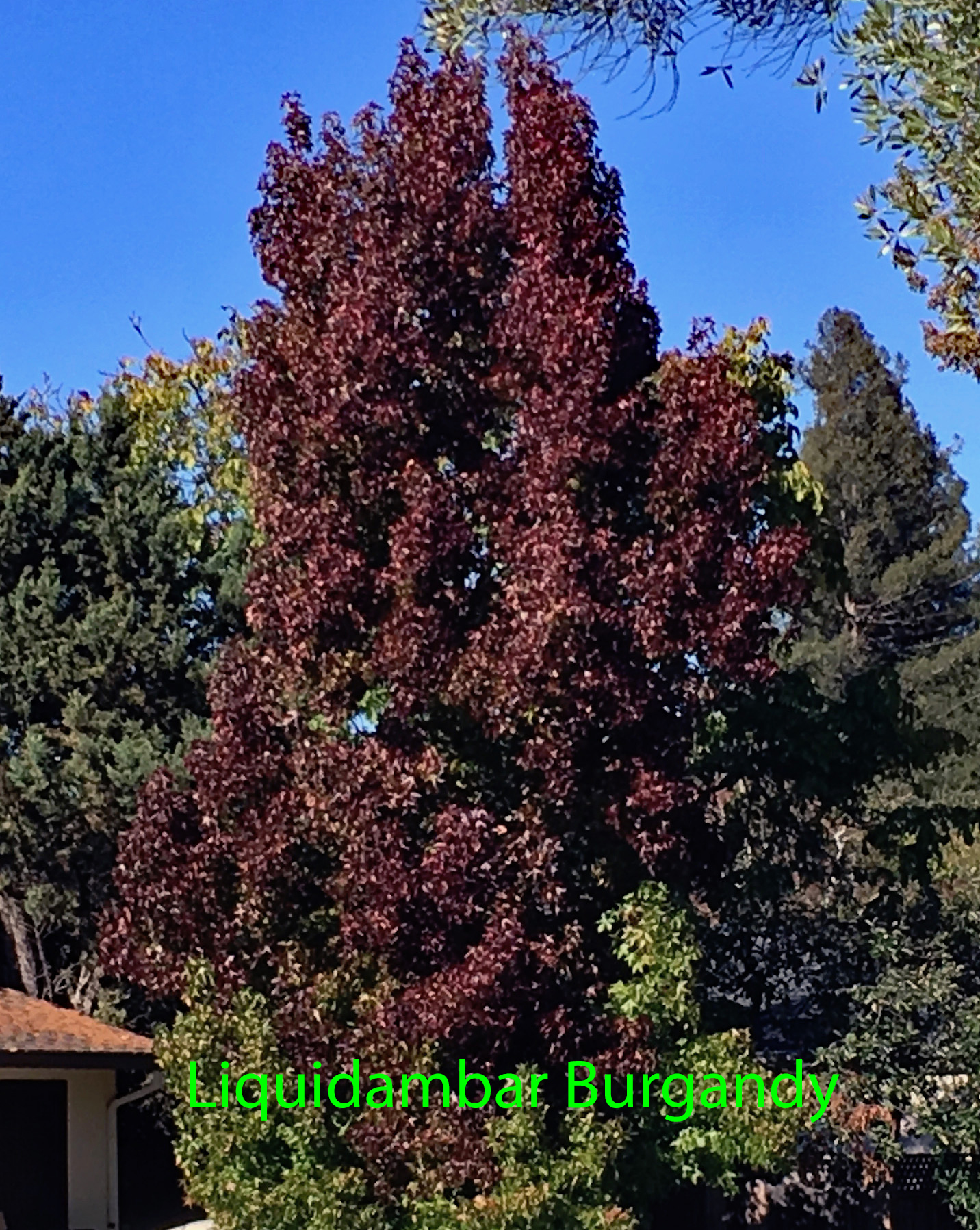
I purchased a seven-foot-tall Burgundy Liquidambar. Unfortunately, it blew over, and the top two feet broke off. Will it sprout a new leader, or can I graft a cutting where the old leader was? Will it mature into a nicely shaped tree?Answer:
- It is unnecessary to graft this tree, as a new leader will develop just below the break. The tree will mature and have an excellent shape, but it will never have a straight trunk as there will always be a bend where the old and new leaders meet.
- To prevent more damage, support the tree with stakes and ties on either side of the trunk.
- All new trees should be re-staked with longer stakes at planting. The stake that comes with the tree is inadequate and will not anchor the tree in the native soil as it only goes to the bottom of the container.