
Question:
I had a huge pine tree cut down in my backyard. So, now we have lots of sunlight, and I'd like to plant fruit trees, a flower and vegetable garden. Do I need to remove the pine debris? Also, what should I do to prepare my yard?
Answer:
- It’s not necessary to remove the pine debris. Since it's so fresh, I wouldn't dig it into the soil; instead, use it as mulch, or rake it into a pile and let it cure.
- It will be many years before the surface roots decompose, so this area will be challenging to plant. So, I would build a raised planter(s), fill it with planting mix, and use it for the flower and vegetable garden to avoid the root problem.
- With the fruit trees, I would group my fruit trees according to their water needs. Apples and Pears like moisture and grow well together. Cherries, Apricots, Plums, Peaches, and Nectarines prefer to be kept dry.
- Ultra-dwarf varieties are preferred to plant rather than semi-dwarf. Ultra Dwarf grows to eight to ten feet and is ideal for smaller yards. Hence you can plant more of them.
- When selecting your fruit trees, choose varieties with different ripening dates.
- You'll avoid overlapping crops and have fresh fruit in late spring, summer, and fall.
- They should be planted five to six feet off the fence line. When the trees mature, you're not sharing them with a neighbor who may not want them.
- I'd dig large holes twice as wide as the original container and six inches deeper. The backfill is then amended with half homemade compost, soil conditioner, planting mix, and half native soil.
- Next, set the plant in the ground so the top of the original root ball is above the grade and flank the sides with soil.
- And finally. Construct a six-inch high watering basin that extends from the trunk to six inches beyond the root ball. Regular watering and fertilizing give you the perfect recipe for success.
- Ultra-dwarf varieties are preferred to plant rather than semi-dwarf. Ultra Dwarf grows to eight to ten feet and is ideal for smaller yards. Hence you can plant more of them.
Question:
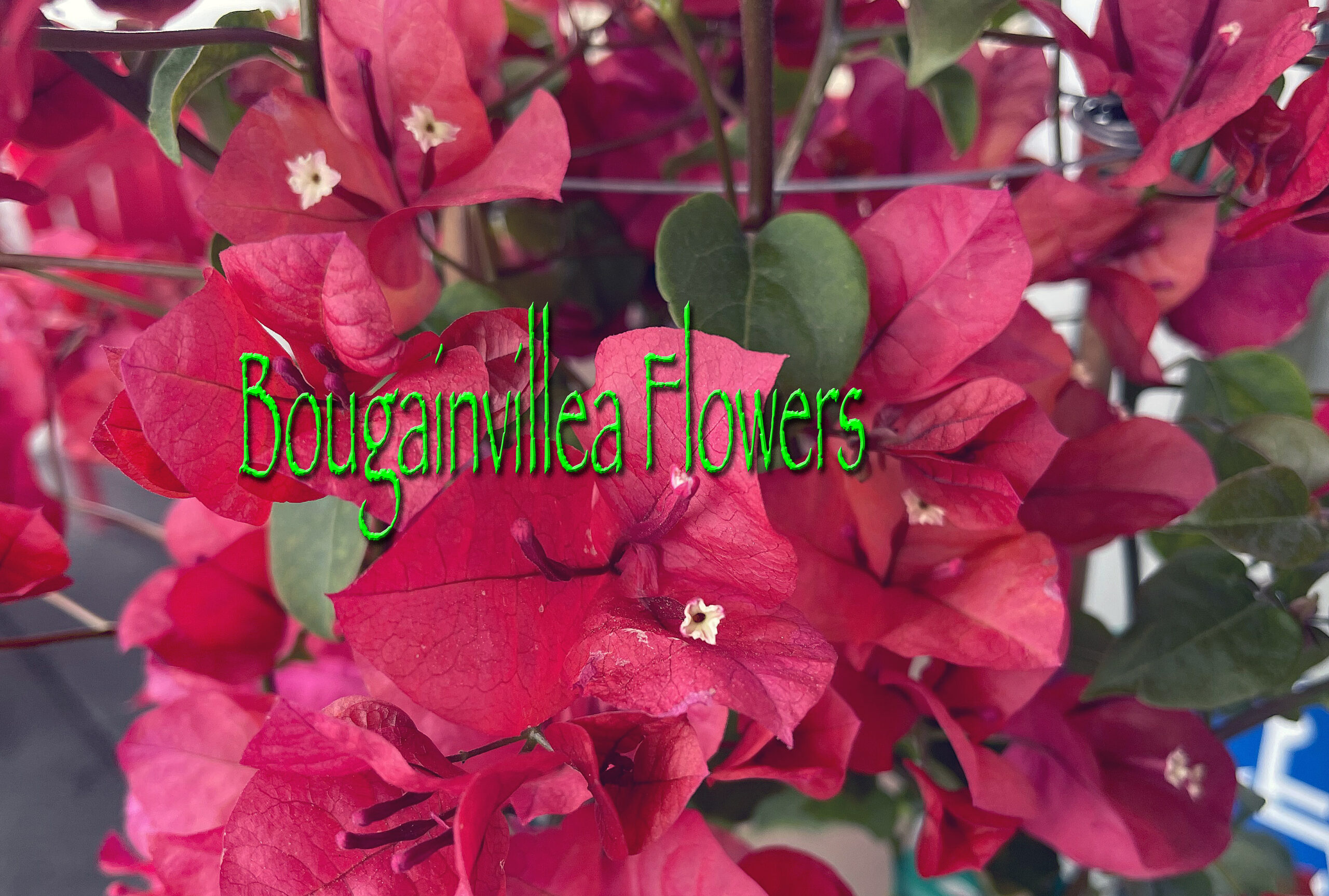
I have a beautiful Bougainvillea in a large pot on my south, east-facing balcony. Last year, it started small and grew into a big, beautiful plant. This year, it started blooming about a month or so ago. Now it has hundreds of flowers, but almost no new leaves! It looks somewhat strange with only flowers. What's wrong?Answer:
- Bougainvilleas require more fertilizer in a container than those in the ground. Nutrients, especially nitrogen, as it's leached out of the soil with every watering.
- Nitrogen is the element that plants need for growth. My favorite container fertilizer is Osmocote. Osmocote is a time-release fertilizer, so a few nutrients are dispensed every time you water.
- While I prefer Osmocote, there are a lot of other right answers as to what to use.
- In the ground, Bougainvilleas aren't fertilized as often as container plants. Also, the showy flowers you refer to are a modified leaf called a bract.
- These leaves turn color and are often referred to as the flower. The actual flower of the Bougainvillea is the white structure located in the center of the bracts.