
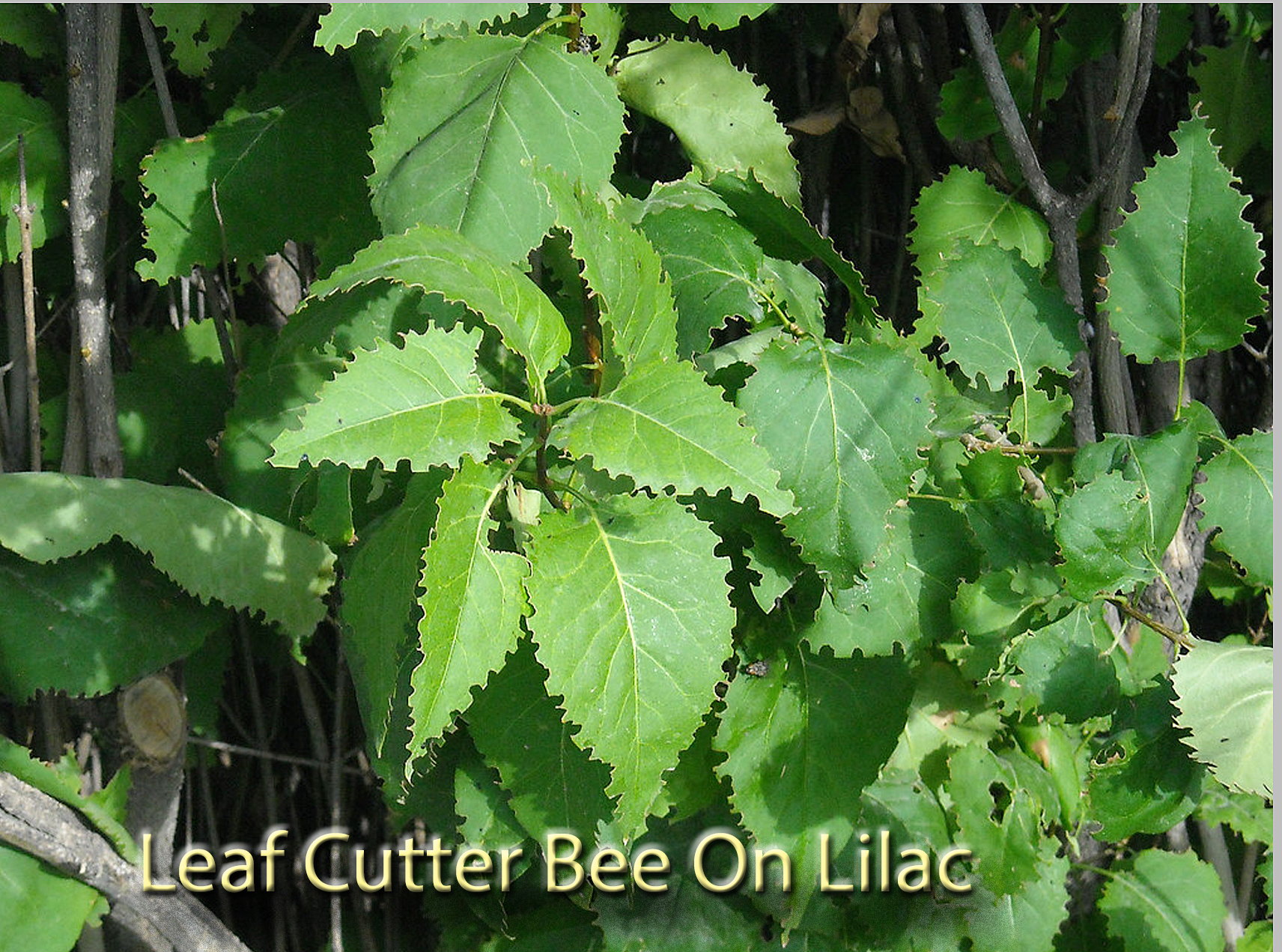
Question:
. Some kind of bug is damaging my plants. They are leaving holes in the leaves that look like they were made with a hole punch. Someone suggested it might be Caterpillars, but I haven’t seen any. What might I use to deter these pests?Answer:
- A uniform set of leaf holes is not typical of Caterpillars. They eat a leaf in a random pattern. The primary ‘Caterpillar Season’ runs from June through September. We also see them during the winter months on Cabbage, Cauliflower, and Broccoli
- Caterpillars are one of three or four life stages of a moth or butterfly. During this stage of their life cycle, their only purpose is to eat.
- Caterpillars are visible to the naked eye, but you have to look closely to find them, and they leave droppings at the base of a plant. Next, they form a cocoon and become an adult moth or butterfly.
- When controlling Caterpillars, you need to be diligent with repeat applications of your spray, as they hatch several times over a season.
- I think you are seeing damage from the Leaf Cutter Bee. Leaf-Cutter Bees are solitary pollinators for plants and edibles.
- The Leaf Cutter Bee removes a uniform section from a leaf, usually along the outside edge. It leaves a distinct pattern that varies by species.
- On Wax Leaf Privet, it looks as if someone has trimmed the leaf with a pair of pinking shears. On roses and lilac, large half-circles are missing
- . The Leaf Cutter Bee uses leaf tissue to line its nest.
- The leaf damage is normal.
- Leaf-Cutter bees are solitary pollinators, and I don’t recommend spraying to control them. They are a very important substitute pollinator for Honey Bees with fruit trees and other plants.
Question:
What is the general guideline for planting bulbs? I can’t find my Bulb Chart when I need it. Also, what is the latest date for planting spring-flowering bulbs?Answer:
- The main window for planting bulbs runs from mid-October through December.
- Wet conditions can restrict planting in the ground, but containers remain a reliable choice.
- However, I have known gardeners to plant spring bulbs as late as January. Late-planted Tulips generally produce flowers on short stems rather than the more desirable long stems.
- For the best selection, purchase fall bulbs early. Then store them in the garage or storage shed until the best planting time.
- Because bulbs sweat, store them in paper bags. If they are in plastic bags, release the moisture by opening the tops.
- As a rule of thumb, bulbs in open ground are planted two times the vertical height of the bulb itself.
- If you are piggybacking your bulbs, use the formula above as a minimum depth. In containers, planting depth shifts with the pot, so choose a level that appears realistic.
- Pansies, Violas, Iceland Poppies, and English Primroses are planted to make the container appealing immediately.
- If you are piggybacking your bulbs, use the formula above as a minimum depth. In containers, planting depth shifts with the pot, so choose a level that appears realistic.