
Question:
Two years ago, we planted Asparagus roots. We expect to harvest a crop of spears this year. Each year, the Asparagus has grown into beautiful fern-like plants. I understood that the fern growth was supposed to turn brown and die off; however, ours stay green throughout the winter and early spring. Should we cut this growth back even if it's still green? How should we go about harvesting the Asparagus?Answer:
- Fresh Asparagus has become one of the most popular vegetables for home gardens. It is very easy to grow if you have the space.
- Unlike other vegetables that need to be replanted often, Asparagus will stay productive for fifteen years or more. Therefore, placing it at the back of your vegetable garden is recommended.
- After the third growing season, you should harvest Asparagus for about a month, starting in late February. You stop when the spear diameter is less than a pencil.
- Early in the season, the shoots may need cutting every third day, but as temperatures rise, you might need to harvest twice a day.
- By mid-November,
- I usually cut the previous year's growth at the ground, whether it turns brown or not. Fertilize with vegetable food at the rate of one to three pounds per 50 linear feet in January and again after the harvest season to promote heavy growth and thick spears.
- Asparagus is harvested by cutting or snapping the spears off as close to the soil as possible when they are six to eight inches long.
- Snapping or bending the spears to break them off prevents damage to the shoot below ground. You can also use an asparagus knife for Blanched Asparagus, white spears, and mound up the area.
- Cut the asparagus when the tip of the spear shows at the soil surface. The loose, mounded soil makes it easy to cut long, straight spears.
- I recommend using potting soil, home compost, and other organic matter to raise the height by 6-8 inches.
- Two-year-old Asparagus roots are now available at your favorite garden center.
Question:
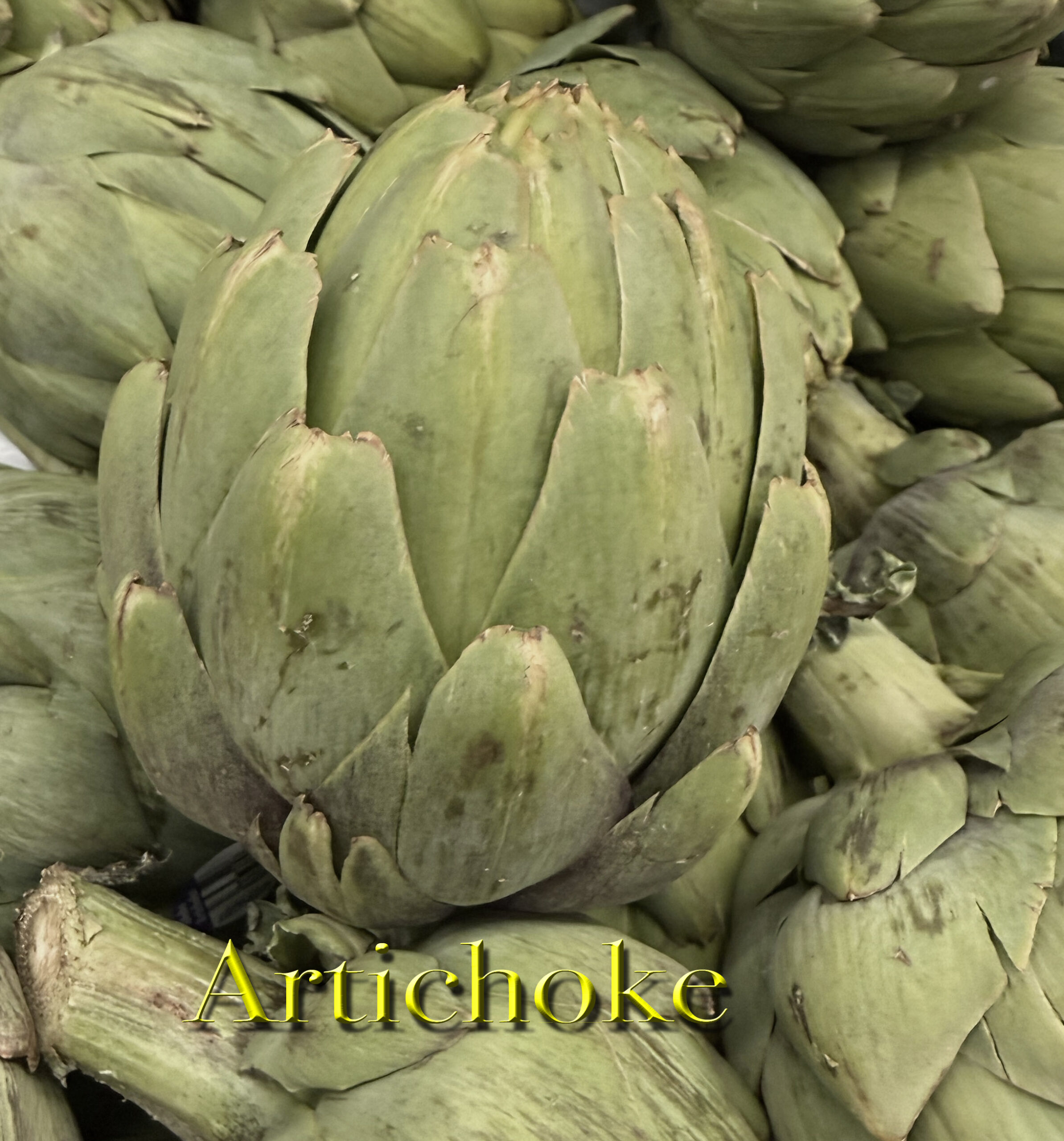
How do you care for Artichoke plants during the winter? One of my friends suggested cutting them back to ground level to get more Artichokes next summer. Should I do that? Also, how would I transplant them, since I need to move some soon?Answer:
- There are no special winter precautions for Artichokes. They don’t suffer from our cold temperatures. Artichoke clumps are divided every 3 to 4 years to maintain high production.
- I would divide the clumps using a shovel or axe and transplant them to a new area.
- The best time for transplanting is February through March, though it can be done later. If you wait too long into spring, you’ll reduce the harvest.
- If you cannot accommodate all the plants, save the biggest and give the others away. I would work in lots of organic matter, such as homemade compost, potting soil, or soil conditioner, into the new planting areas along with a handful of organic starter fertilizer.